Blue Southwestern Pattern Embroidery Review: Real-World Use and Design Considerations
As an experienced embroidery designer and product reviewer, I always take a moment to evaluate how a digital design like the Blue Southwestern Pattern will translate into real-life projects. This pattern promises a vibrant, cultural aesthetic with elements of Native American, Navajo, and Aztec-inspired motifs, making it a compelling option for home decor and fashion items alike. But before I recommend it for use in custom apparel or handmade products, I want to share my hands-on impressions and practical insights.
First Impressions: A Bold, Cultural Statement
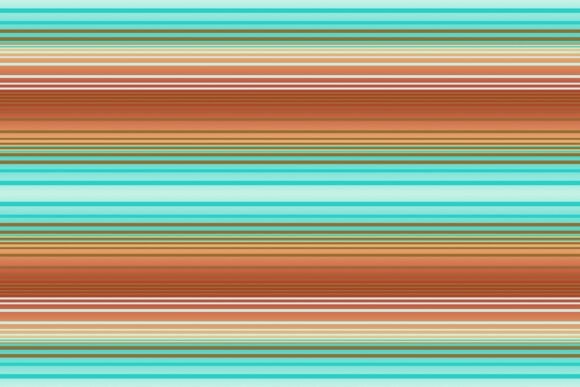
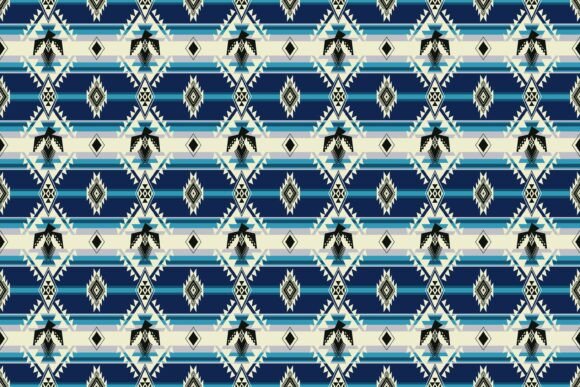
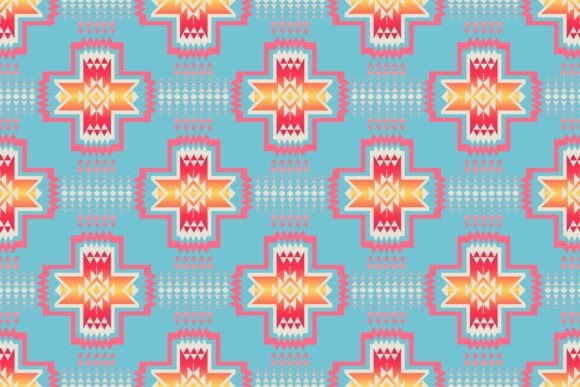
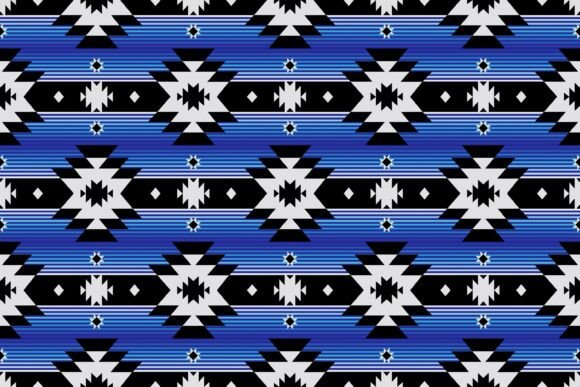
The Blue Southwestern Pattern immediately catches the eye with its rich color palette and intricate geometric shapes. The dominant blue tones are accented with warm earthy hues—reds, oranges, and yellows—that evoke a sense of tradition and artistry. It feels authentic without leaning into cliché, which is a rare balance in patterns inspired by indigenous cultures.
Visually, the layout is seamless and repeats well, making it ideal for larger surfaces like pillow covers, aprons, or tote bags. The motif is clearly inspired by Navajo weaving and Aztec symbolism, but it’s stylized enough to avoid being too literal. That said, if you're using this in your handmade product line or selling custom apparel, be sure that the representation aligns with respectful design practices.
What It Feels Like
There's a strong visual rhythm in the design, which makes it feel both modern and timeless. The level of detail suggests it could work beautifully as a satin stitch border or as part of a more complex embroidery file that combines fill stitches and running stitch outlines. However, those detailed areas can become problematic if not handled carefully during stitching.
Real-Life Application Scenarios
I recently tested this design on a few common craft business items to see how it would hold up under different conditions. Here’s what I found:
- Tote Bag Design: The pattern looked stunning across the width of a cotton canvas tote. The bold lines and colors added dimension and interest, especially when paired with a white background. Customers who value unique, culturally inspired designs responded positively.
- Sweatshirt Embroidery: When placed along the chest area, the Blue Southwestern Pattern provided a striking focal point. However, due to the stretchiness of sweatshirt fabric, I had to adjust the stitch density and stabilize the area thoroughly to prevent distortion.
- Pillow Cover Project: On a linen pillow cover, the pattern stitched cleanly and maintained its shape even after multiple washes. The contrast between the deep blues and bright accents really popped against natural fabrics.
- Embroidered Patch: For a patch application, the pattern worked well but required careful trimming around the edges to maintain sharpness. The dense areas did need additional stabilizer to keep them from puckering or fraying.
- Tea Towel Embellishment: As a decorative accent near the corner of a tea towel, the design added charm without overwhelming the piece. It was subtle yet meaningful—a great addition to holiday gifts or personalized kitchen items.
In general, the Blue Southwestern Pattern fits best in home decoration elements and Western sublimation prints. Its style lends itself to digital embroidery files used in craft fairs, Etsy shops, or boutique branding where aesthetics matter as much as craftsmanship.
Where to Use with Caution
While the Blue Southwestern Pattern is visually appealing, there are specific scenarios where it might not perform optimally. Here are some considerations:
- Small Hoop Sizes: The pattern contains fine details and interlocking shapes that may get lost or distorted when scaled down. If you’re working with smaller hoop sizes, consider simplifying the design or focusing on a section rather than the full repeat.
- Textured or Stretchy Fabrics: The high stitch density in certain parts of the pattern can cause issues on stretchy or uneven textiles. Always test it on a scrap of the same fabric first and adjust accordingly.
- Thin or Delicate Fabrics: Due to the complexity of the pattern, thin materials like lightweight knits or silks may struggle to support the weight of the embroidery without tearing or losing definition.
- Dark Fabric Backgrounds: While the pattern works on light backgrounds, it’s less effective on dark ones unless the thread colors are adjusted. The default blue tones may not provide enough contrast for visibility and impact.
- Curved Surfaces (e.g., Caps): Placing this pattern on curved surfaces can lead to stretching or misalignment. A flat surface or a properly stabilized curved area is necessary for clean results.
- Detailed Corners or Edges: The repeating nature of the pattern means that corners may require extra attention to ensure the design wraps correctly and doesn’t leave awkward gaps or overlaps.
Design Impact and Customer Perception
This pattern adds a layer of authenticity and warmth to any project. Whether you're creating a personalized gift or designing a line of small shop products, the Blue Southwestern Pattern enhances visual appeal and gives your finished product a distinctive character.
From a customer perspective, the pattern resonates with those who appreciate Western themes, bohemian styles, or artisanal home goods. It’s versatile enough to fit into various niches—from nursery decor to wedding gifts. The key is to present it in a way that highlights its cultural roots while keeping the context appropriate and respectful.
When applied correctly, this design elevates the perceived value of your item. It signals attention to detail and offers a professional finish that can help build customer trust and increase buyer engagement, especially in competitive markets like Etsy sellers and craft fair products.
Brand Consistency and Recognition
If you're building a brand around handmade or personalized products, the Blue Southwestern Pattern could serve as a signature element. Its consistent look and feel across different placements help reinforce brand recognition. Just make sure it complements your overall aesthetic and isn't overused, which could dilute your brand personality.
Designer Notes and Best Practices
Before using the Blue Southwestern Pattern in your next embroidery project, here are some tips based on my experience:
- Test on Scrap Fabric First: Especially if you're planning to scale it or modify it, test the design on a piece of the actual fabric you’ll be using.
- Check Thread Color Contrast: The default thread colors may not stand out enough on darker or textured fabrics. Consider swapping out some hues for better visibility.
- Review Stitch Density: The pattern has several densely packed areas that may require reducing stitch count slightly to avoid puckering or damaging the fabric.
- Confirm Hoop Size Requirements: Since the design is intended for home decor and fashion items, you’ll likely need at least a medium-sized hoop for optimal results. Smaller hooping can compromise clarity and detail.
- Inspect Small Details: The fine lines and repetitive elements should be checked for accuracy, especially if you're planning to sell design assets or offer printable mockups to customers.
- Use Proper Stabilizer: A tear-away or cut-away stabilizer is essential for maintaining the integrity of the design, particularly on stretchy or delicate materials.
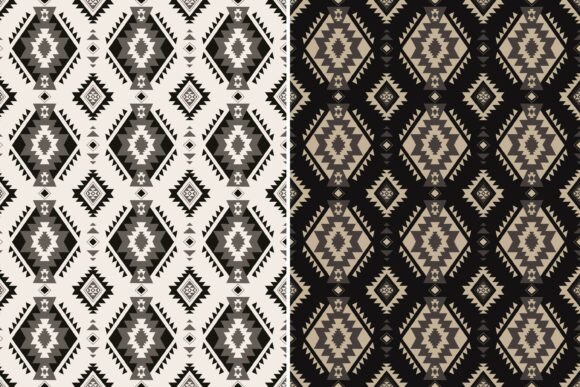
- Test in Black and White Mockups: This helps assess how the pattern will appear on grayscale or monochrome backgrounds, which can be important for printables or preview images.
- Compare Light and Dark Fabrics: The pattern looks best on lighter tones, but experimenting with contrasting substrates can reveal new applications or limitations.
- Check Licensing Before Selling: If you plan to use this design commercially, such as in commercial embroidery or digital product previews, make sure you have the correct license to do so.
Final Thoughts: A Designer’s Perspective
The Blue Southwestern Pattern is a solid choice for anyone looking to add a touch of cultural elegance and Southwest flair to their embroidery work. It performs well on stable, medium-to-large sized items and brings a cohesive visual identity to both personal and commercial finished products.
However, don’t underestimate the importance of preparation. This isn’t just another seamless pattern SVG—it demands thoughtful application. From adjusting stitch settings to choosing the right fabric and stabilizer, every decision affects the final outcome.
For embroidery designers and creative entrepreneurs, this pattern can be a valuable asset in your design library. It’s especially useful for holiday embroidery, apparel decorators, and those aiming to create a giftable item with lasting appeal. Just remember to treat it with care, especially in smaller or more delicate applications.
Overall, the Blue Southwestern Pattern is a confident and expressive design that can enhance your creative offerings when used wisely. Keep testing, stay observant, and let the design speak through quality execution.