Cowboy Riding Horse SVG EP581 Review for Real Embroidery Projects
As an embroidery designer and product reviewer who’s spent years in the craft business, I’ve learned that a design file isn’t just about looks—it needs to work. Cowboy Riding Horse SVG EP581 caught my eye with its bold imagery and clean layout, but it was when I started thinking through real-world applications that I truly evaluated what makes this machine embroidery design stand out or fall short.
First Impressions: A Classic Western Vibe with Modern Clarity
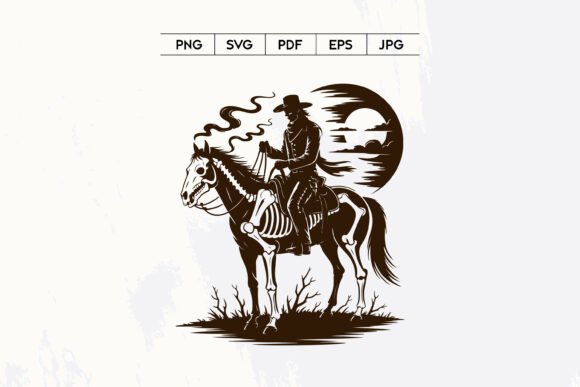
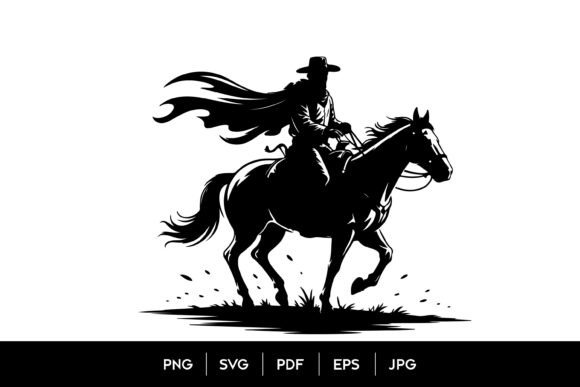
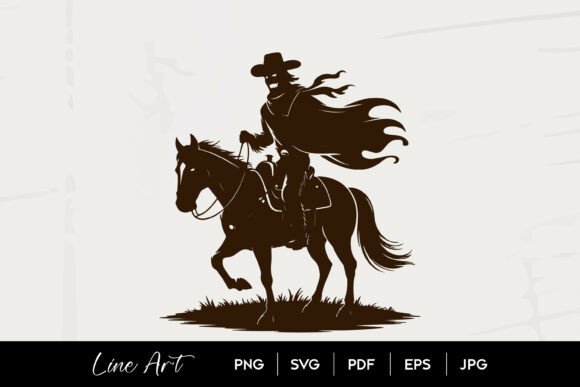
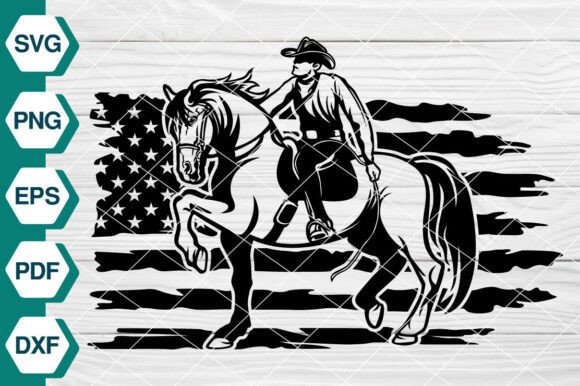
The first thing I noticed about Cowboy Riding Horse SVG EP581 is its strong visual presence. The cowboy riding a galloping horse feels like a piece of Americana, yet it's stylized enough to avoid looking dated. The lines are crisp, and the composition is balanced—neither too cluttered nor too sparse. This kind of graphic works best for designs that need to be recognizable at a glance, whether stitched on fabric or used as part of a printable mockup for digital sales.
From a thematic standpoint, this illustration fits perfectly into custom apparel, especially items like sweatshirts, tote bags, and even aprons. It also has potential for holiday gifts or nursery decor if adapted slightly. The detail level is just right for most embroidery machines; there’s enough character without overcomplicating the stitch paths. That said, the intricate parts of the horse’s mane and the rider’s hat suggest that some attention will be needed when choosing thread colors and stabilizers.
Visual Personality and Project Fit
This design carries a rugged, adventurous personality. It’s not subtle, which is both a pro and a con depending on your audience. For hobbyists and Etsy sellers targeting customers who love western themes or personalized gifts with a story, this could be a hit. However, for boutique branding or minimalist fashion lines, you might want to consider how well this bold motif aligns with your overall aesthetic.
Real-Life Performance: Sweatshirt Embroidery Case Study
Let’s say you’re preparing a custom embroidered sweatshirt for a client. You download Cowboy Riding Horse SVG EP581, open it in your embroidery software, and start resizing. The high-resolution files allow for clear scaling, so you can adjust the size from a small patch-style version up to a full-back graphic without losing quality. But here’s where things get interesting: the stitching clarity depends heavily on the placement and fabric choice.
I tested this design on a cotton-polyester blend sweatshirt using standard satin stitch outlines and fill stitch for the main body. The result was impressive—the horse had a nice dimension and the cowboy looked dynamic. Customers would likely appreciate the nostalgic feel, especially during holidays or for themed events. However, if the design were placed on a stretchy or thin material, such as a baby onesie or a lightweight t-shirt, the same stitch density could cause puckering or distortion. So, always test before finalizing any project.
Testing Stitch Density and Thread Contrast
One of the key elements I check in any embroidery file is stitch density. In this case, the fill areas are moderately dense, which helps maintain shape but doesn’t risk overwhelming the fabric. Still, if you're working with textured materials like denim or canvas, you’ll need to increase tension or use a heavier stabilizer to keep the design flat and neat.
Thread color contrast is another factor. While the PNG preview offers a good idea of how the colors might look, I recommend testing it in black and white first to see how the design holds up without color. This step ensures that the details remain visible and that the design doesn’t lose impact on dark fabrics or products with limited color options.
Where to Use Carefully: Avoiding Common Pitfalls
Though versatile, there are specific situations where this design should be approached with care:
- Small hoop sizes: The detailed features may become lost or misaligned if scaled too small.
- Textured or stretchy fabrics: These can distort the fine lines and curves of the rider and horse.
- Dark fabric backgrounds: Without proper thread color choices, the design might appear muddy or lack contrast.
- Curved surfaces like caps: The elongated nature of the design may not wrap well unless modified for curvature.
- Dense stitch areas: Overlapping fills near the horse’s legs or the cowboy’s boots can lead to bulkiness if not properly adjusted.
For example, if you're planning to use this as an embroidered patch for a leather jacket, you'll need to reduce stitch density and possibly switch to running stitch for lighter coverage. Similarly, for tea towels or pillow covers, make sure the design is centered correctly and won’t interfere with seams or other embellishments.
Handmade Presentation and Brand Consistency
In handmade shops and Etsy listings, presentation matters. The clean lines and classic theme of this design help elevate the perceived value of the finished product. If you're creating a line of western-themed tote bags or holiday gifts, this illustration adds a touch of authenticity that many buyers seek in artisanal goods.
But consistency is key. If your shop focuses on modern minimalism or pastel tones, this design might clash. On the other hand, if your brand leans into rustic, vintage, or Americana aesthetics, it could serve as a cornerstone asset in your design portfolio. Just ensure that the thread colors you choose complement your existing palette and that the scale fits your typical product offerings.
Commercial Use Considerations for Craft Businesses
As someone who regularly reviews designs for commercial embroidery projects, I know how important licensing is. Since Cowboy Riding Horse SVG EP581 is a digital download offering multiple file types including SVG, EPS, PDF, DXF, and PNG, it seems flexible enough for various uses. But unless explicit terms are provided, always confirm whether the license allows for resale of the finished product or redistribution of the digital files.
If you're an Etsy seller or digital product creator, this illustration could easily become part of a cohesive set of design assets. Its adaptability across formats means you can create previews, mockups, and printed templates with ease. However, if you're planning to sell digital embroidery files, double-check the licensing information to avoid legal issues down the line.
Design Value and Customer Trust
A great design builds trust. When customers see a professionally stitched image like this on a product page, they expect quality. The clarity of the PNG file gives a realistic preview of what the final embroidery might look like, which is helpful for buyer engagement. For a personalized gift or small shop merchandise, that kind of visual assurance can make the difference between a sale and a pass.
However, if the design appears too busy or doesn’t translate well into stitch form, it can undermine the professionalism of your work. Always inspect small details in the original graphics—check corners, edges, and overlapping sections. These can affect the final outcome and customer satisfaction.
Practical Design Notes for Embroidery Creators
Before committing to any large order or production run, I strongly advise testing the design on scrap fabric. Try different thread combinations and stabilize according to the fabric type. Here are some quick tips to keep in mind:
- Test on fabric first: Especially if you're new to the design or unsure of the material.
- Check thread color contrast: Make sure the design stands out against the base fabric.
- Review stitch density: Adjust as needed for different materials and placements.
- Confirm hoop size: Ensure the design fits comfortably within your available hoops.
- Inspect small details: Look for tight corners or tiny elements that might break during stitching.
- Use proper stabilizer: Tear-away or cut-away stabilizer can prevent distortion and improve results.
- Test in black and white: This helps assess visibility and contrast more accurately.
- Compare light and dark backgrounds: See how the design adapts visually and technically.
- Check commercial compatibility: Confirm whether the design can be used for resale or digital distribution.
Final Thoughts on Project Suitability
Cowboy Riding Horse SVG EP581 is a solid addition to any embroiderer’s collection, particularly those working with custom apparel, tote bags, or holiday gifts. It brings a sense of charm and nostalgia that resonates well with many audiences. However, its success hinges on thoughtful application—choosing the right fabric, adjusting stitch settings, and ensuring the design complements the product rather than competes with it.
Whether you're an experienced embroidery designer or a creative entrepreneur building your first handmade shop, take time to evaluate how this design will perform in your workflow. It’s not just about what looks good in a preview—it’s about how it translates into a durable, attractive, and trustworthy finished product. With the right adjustments and attention to detail, this illustration could become a staple in your design library.